Skip to content


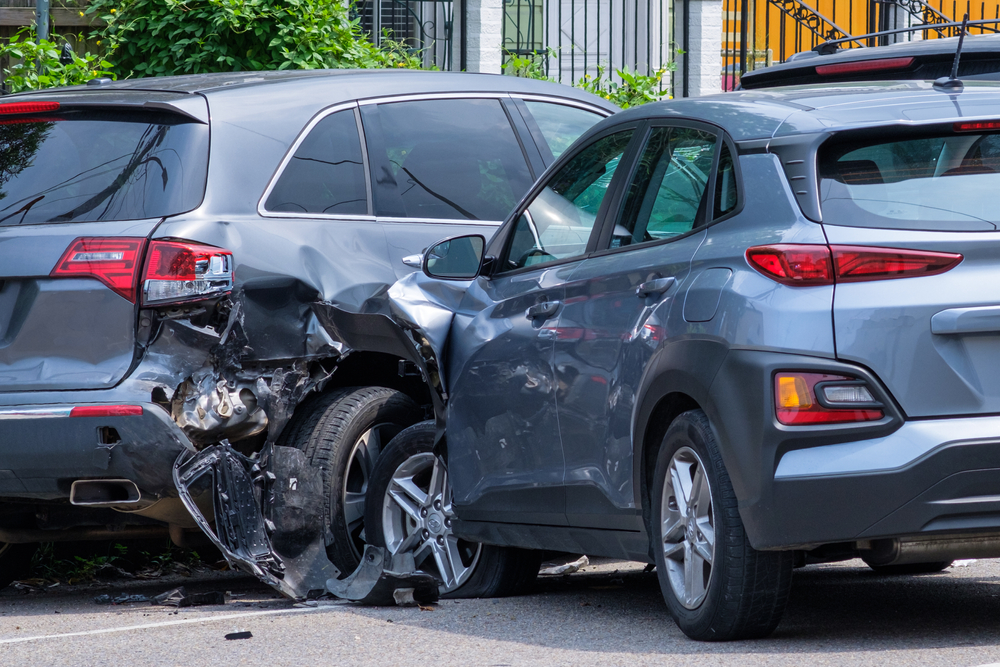
An uninsured driver caused your accident, and now you’re stuck dealing with your own insurance company for money that driver should have paid. This is exactly the situation Illinois uninsured motorist coverage was built to address.
If you’re a Chicago driver, state law already requires you to carry it. That doesn’t mean your insurer will make the process simple.
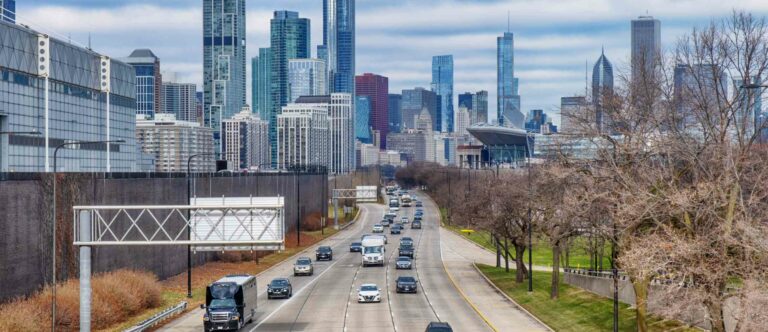
Chicago sees a steady stream of these accidents. The Illinois Department of Insurance has flagged uninsured driving as a persistent problem statewide, and dense city traffic on roads like the Dan Ryan, the Kennedy, and Lake Shore Drive means Chicago drivers encounter uninsured motorists more often than drivers in less congested areas.
When one of those encounters leaves you hurt or grieving a loved one, you deserve a clear picture of what comes next and someone in your corner who has handled these claims before.
A Chicago uninsured driver accident attorney can review your policy, explain what your insurer owes you, and push back when the offer doesn’t match your losses. A free consultation costs you nothing and can tell you whether your claim is being handled fairly.
How does uninsured motorist coverage work in Illinois after a car accident?
Uninsured motorist coverage pays for your injuries when the driver who hit you has no insurance at all, as long as you carry this coverage on your own auto policy. Illinois law requires every driver to carry this protection, so most drivers already have it even if they’ve never used it.
- You file the claim with your own insurance company, not the uninsured driver’s, since that driver has no policy to pursue.
- Your insurer investigates fault the same way it would for any accident, and may dispute the value of your injuries.
- Illinois gives you time limits to bring these claims, and missing them can end your ability to recover anything.
Uninsured motorist coverage exists specifically for situations like this, and knowing how the process works helps you protect your claim from the start.
Key Takeaways: Uninsured Driver Accident Claims in Chicago
- Illinois law requires every auto policy to include uninsured and underinsured motorist coverage, so most Chicago drivers already have this protection built in.
- You pursue this type of claim against your own insurance company, which means your insurer has a financial incentive to minimize what it pays you.
- Illinois generally gives you a limited window to bring an uninsured motorist claim, and the clock can start running sooner than people expect.
- Insurance companies sometimes treat these claims with more skepticism than a typical accident claim, since there’s no other driver’s insurer to share the cost.
- Documentation, prompt notice to your insurer, and a clear record of your medical treatment all strengthen your position from day one.
What Is Illinois Uninsured Motorist Coverage?

Illinois uninsured motorist coverage steps in to pay for your injuries when the at-fault driver in your accident has no auto insurance. It works through your own policy, and Illinois law makes it a mandatory part of nearly every auto insurance contract sold in the state.
What Counts as an Uninsured Driver in Illinois?
An uninsured driver is anyone who causes an accident without a valid auto insurance policy in effect at the time of the crash. This also includes hit and run drivers who can’t be identified, since there’s no policy to pursue if the responsible party disappears from the scene.
Illinois also treats certain phantom vehicle situations, where a driver forces you off the road without making contact, as uninsured motorist claims in many cases. If you’re not sure whether your situation qualifies, an attorney can review the police report and your policy language together.
How Is Underinsured Motorist Coverage Different?
Underinsured motorist coverage applies when the at-fault driver has insurance, but not enough of it to cover your damages. Say the other driver carries the Illinois state minimum of $25,000 in liability coverage, but your medical bills and lost wages add up to $80,000.
Underinsured motorist coverage can make up part or all of that gap, depending on your policy limits. Illinois bundles these two coverages together under most policies, so understanding both helps you know what you’re entitled to collect.
What Does Illinois Law Require Drivers to Carry?
Illinois law requires drivers to carry uninsured and underinsured motorist coverage at the same limits as their liability coverage, unless they reject it in writing. This makes Illinois one of the stronger states in the country for protecting drivers against uninsured motorists on the road.
What Are the Minimum Illinois Uninsured Motorist Insurance Requirements?
The Illinois uninsured motorist insurance requirements set a floor of $25,000 per person and $50,000 per accident, matching the state’s minimum liability limits. Insurers must offer this coverage automatically, and a driver has to actively decline it in writing to opt out.
Many Chicago drivers carry higher limits than the minimum, which matters because your coverage limit caps what you can recover no matter how serious your injuries are. Reviewing your declarations page tells you exactly what limits apply to your policy.
Does Umbrella or Excess Coverage Add Protection?
Excess or umbrella policies can extend your uninsured motorist protection beyond your standard auto policy limits, though not every umbrella policy includes this automatically. Some policies require a specific endorsement for uninsured motorist coverage to carry over.
If you have significant injuries and your base policy limits seem too low to cover them, an attorney can check whether an umbrella policy applies and help you pursue that additional coverage.
How Do You Use Uninsured Motorist Coverage After an Accident in Illinois?
You use uninsured motorist coverage by notifying your own insurance company promptly, confirming the other driver lacked valid insurance, and submitting documentation of your injuries and losses.
This process differs from a typical third-party claim because you’re negotiating directly with the company you pay premiums to, which changes the dynamic in ways many drivers don’t expect.
What Steps Start the Claims Process?
The claims process starts with reporting the accident to your insurer and formally requesting uninsured motorist benefits under your policy. From there, several steps typically follow:
- Confirming the at-fault driver’s insurance status through the police report or a records request, since your insurer will require proof before paying a claim.
- Gathering medical records, bills, and proof of lost income to establish the full scope of your damages.
- Keeping a written record of how your injuries affect daily activities, work, and family responsibilities, since pain and suffering damages depend on this kind of detail.
- Responding to your insurer’s requests for information quickly, without volunteering more than what’s asked.
Share this information with your attorney during your initial consultation. It allows for a more complete review of your claim.
What Deadlines Apply to an Illinois Uninsured Motorist Claim?
Illinois generally requires uninsured motorist claims to go through arbitration or a demand within the same limitations period that would apply to a lawsuit against the at-fault driver, which is typically two years from the accident date for personal injury.
Some policies also set their own notice deadlines that are shorter than the statutory limit, so missing a policy deadline can bar your claim even if you’re still within the legal statute of limitations.
Because these deadlines can overlap in confusing ways, reviewing your policy language with an attorney soon after your accident protects your right to recover.
| Category | Key Details |
|---|---|
| Initial Steps | Report the accident to your own insurer and formally request uninsured motorist benefits. |
| Documentation | Confirm the other driver’s status (e.g., via police report); gather medical records, bills, and proof of income loss. |
| Record Keeping | Document how injuries impact your daily life, work, and family responsibilities to support “pain and suffering” claims. |
| Communication | Respond to insurer inquiries promptly, but avoid volunteering unnecessary information. |
| Deadlines | Typically 2 years for legal claims, though policy-specific notice deadlines may be shorter. |
What Happens When the Insurance Company Disputes Your Claim?
Insurance companies dispute uninsured motorist claims by challenging fault, questioning the extent of your injuries, or offering a settlement well below what your damages actually warrant.
Since you’re filing against your own insurer, some drivers assume the process will feel more cooperative than a claim against a stranger’s insurance company. That assumption doesn’t always hold up once money is on the table.
Why Do Insurers Deny or Undervalue These Claims?
Insurers deny or undervalue uninsured motorist claims because paying out reduces their own bottom line, not a competitor’s. Adjusters may argue your injuries existed before the accident, that the crash wasn’t severe enough to cause your reported symptoms, or that you share some fault for what happened.
Illinois follows a modified comparative negligence rule, meaning your recovery can be reduced, or barred entirely, if you’re found more than fifty percent at fault. Getting a second opinion from an attorney on a low offer often reveals whether the insurer’s position holds up.
What Can You Do If Your Own Insurer Treats You Like an Opponent?
You can push back against an unfair uninsured motorist denial or lowball offer by requesting the insurer’s basis for its decision in writing and having an attorney evaluate whether that basis holds up under your policy terms.
Illinois policyholders have the right to demand arbitration when a dispute over an uninsured motorist claim can’t be resolved through negotiation.
An attorney familiar with how Chicago-area insurers typically handle these disputes can spot when an offer doesn’t reflect the actual value of your damages, and can build the record needed to support arbitration or further negotiation.
Why Does Hiring an Attorney Matter for a Chicago Uninsured Motorist Accident Claim?

Hiring an attorney matters for a Chicago uninsured motorist accident claim because you’re negotiating against a company whose adjusters handle these disputes every day, while you’re managing medical appointments, missed paychecks, and a growing stack of bills.
That gap in experience shows up directly in how much an insurer offers and how long it takes to offer it.
What an Attorney Brings to the Table
An attorney who has handled uninsured motorist arbitrations in Cook County understands:
- How local arbitrators typically weigh comparative fault arguments and what evidence tends to hold up.
- Which types of documentation carry the most weight with Illinois insurers reviewing these claims.
- Common tactics insurers use to shave value off a claim before a client even realizes it’s happening.
- Policy language that most drivers never read closely until a dispute forces the issue.
Why Self-Representation Puts You at a Disadvantage
Insurance adjusters review hundreds of claims a year, and they know exactly how to frame questions and settlement offers in ways that limit payouts.
A knowledgeable attorney levels that imbalance, not by promising a specific outcome, but by making sure your claim gets evaluated on its actual facts rather than an adjuster’s first number.
When the Stakes Are Higher
If a loved one died because of an uninsured driver, the process involves additional damages calculations and procedural requirements under Illinois wrongful death law.
A skilled attorney can walk you through what applies to your circumstances and manage communications with the insurance company on your behalf.
Frequently Asked Questions About Uninsured Motorist Claims in Chicago
Can you stack uninsured motorist coverage from multiple vehicles on your policy?
Illinois allows stacking in some circumstances, particularly when a household has multiple vehicles insured under the same policy, though insurers often include anti-stacking language that limits this.
Reviewing your specific policy terms with an attorney clarifies whether stacking applies to your situation and how much additional coverage it might unlock.
Does uninsured motorist coverage apply if the other driver fled the scene?
Yes, hit and run accidents typically fall under uninsured motorist coverage since the fleeing driver’s insurance status can’t be confirmed. You’ll generally need to report the accident to police promptly and document the scene, since insurers require this evidence before approving a hit and run claim.
What if the uninsured driver is a family member living in your household?
Many Illinois policies exclude claims where the at-fault driver is a resident relative, which can complicate coverage depending on your specific policy language and household setup.
An attorney can review your policy’s exclusions to determine whether this applies to your accident.
Can passengers in your car file an uninsured motorist claim too?
Passengers injured by an uninsured driver can typically make a claim under the vehicle owner’s uninsured motorist coverage, and sometimes under their own policy if they carry separate auto insurance.
Multiple parties pursuing the same limited coverage can complicate how funds get divided, which is worth discussing with an attorney early.
Will filing an uninsured motorist claim raise your insurance rates?
Illinois law limits an insurer’s ability to raise your rates or cancel your policy solely because you filed an uninsured motorist claim through no fault of your own. Insurers still have some discretion in how they price renewals, so asking your agent directly about your specific policy terms can clear up any confusion.
Take the Next Step with Walner Law

If an uninsured driver injured you or took someone you love, we know you’re dealing with a company that’s supposed to protect you but may not be acting like it.
The attorneys at Walner Law handle uninsured motorist claims and arbitrations for Chicago drivers, and we know how Cook County insurers and arbitrators approach these disputes.
Call us at 312-410-8496 for a free consultation. Let us look at your policy and your claim before you accept whatever number an adjuster hands you.