Skip to content



Do slip and fall accidents cause brain injuries in Chicago?
Yes, slip and fall accidents in Chicago can cause serious brain injuries, including traumatic brain injuries (TBIs) that range from mild concussions to permanent disabilities. Here is what you should know:
- A hard fall can cause the head to strike the floor, stairs, a shelf, or another object, creating enough force to injure the brain even without a visible wound.
- Property owners in Illinois have a legal duty to keep their premises safe, and when they fail to do so, they may be held financially responsible for injuries that result.
- Illinois law gives injured people two years from the date of a slip and fall to file a personal injury lawsuit, so acting promptly matters.
A Chicago brain injury attorney can review your situation at no cost and help you understand your options.
A brain injury caused by a slip and fall accident in Chicago can have lasting physical, emotional, and financial effects. These accidents may happen in grocery stores, apartment buildings, parking lots, workplaces, restaurants, or other properties where unsafe conditions exist.
Recovery often involves extensive medical care, rehabilitation, time away from work, and significant changes to daily life. Understanding how these injuries occur, who may be responsible, and what legal options are available can help injured individuals and their families make informed decisions about the future.
If you or someone you love suffered a brain injury after falling on someone’s property, speaking with a skilled Chicago brain injury attorney may help you better understand your rights and potential next steps.
Key Takeaways: Brain Injuries from Slip and Fall Accidents in Chicago
- Slip and fall accidents can cause traumatic brain injuries ranging from concussions to severe, life-altering damage, even when the fall seems minor at first.
- Property owners in Illinois have a legal duty to maintain safe premises, and victims may have a valid claim when that duty goes unmet.
- High-risk locations include retail stores, restaurants, apartment buildings, nursing homes, and construction sites throughout Chicago.
- Documenting the scene, seeking immediate medical care, and preserving evidence are among the most important steps you can take after a fall.
- Working with a knowledgeable attorney improves your ability to recover compensation for medical bills, lost wages, and the lasting physical and emotional impact of a brain injury.
How Do Slip and Fall Accidents Cause Brain Injuries?
When someone slips or trips and falls, the brain can suffer injury even when no object directly strikes the head. The sudden, uncontrolled nature of a fall is what makes these accidents so medically serious.
The Mechanics of a Fall-Related Brain Injury
During a fall, the body loses control before the person can fully brace themselves. The head may slam into a hard floor, the edge of a staircase, a countertop, or a display fixture.
Even when the head does not hit a surface, the sudden stop can cause the brain to shift inside the skull, bruising tissue and tearing nerve fibers. This type of injury is called a closed-head TBI, and it can be just as damaging as an open wound.
Why Some Falls Cause More Damage Than Others
The height of the fall, the hardness of the surface, and the angle of impact all affect how severe a brain injury becomes. A fall on a wet tile floor in a Chicago restaurant on the Magnificent Mile, for example, can generate significant force even from a standing position.
Older adults face higher risk because age-related changes in bone density and balance make falls more likely and harder to recover from.
Common Types of Brain Injuries from Falls
Brain injuries from slip and fall accidents fall along a spectrum of severity:
- A concussion is the most common result and involves a temporary disruption in brain function. Symptoms include headaches, confusion, memory problems, and sensitivity to light.
- A contusion is a bruise on the brain tissue itself, which can cause swelling and more serious neurological effects.
- A diffuse axonal injury occurs when nerve fibers throughout the brain tear due to rapid movement, often causing long-term cognitive problems.
- A skull fracture can accompany the impact and may allow bone fragments to press against or penetrate brain tissue.
- Intracranial hemorrhage, or bleeding inside the skull, is a life-threatening condition that requires emergency medical care.
Any head injury after a fall warrants evaluation at a trauma center. In Chicago, hospitals including Northwestern Memorial Hospital, Rush University Medical Center, Stroger Hospital of Cook County, and Advocate Illinois Masonic Medical Center treat traumatic brain injuries and have the diagnostic tools needed to detect even subtle damage.
Where Do Slip and Fall Brain Injuries Happen in Chicago?

Slip and fall accidents happen in many types of locations throughout the city. Some places carry higher risk because of foot traffic, surface conditions, or the nature of the business.
Retail Stores and Shopping Centers
Grocery stores, big-box retailers, and shopping centers like those along State Street in the Loop see heavy foot traffic combined with spills, recently mopped floors, and cluttered aisles.
Property owners have a duty to address these hazards promptly, and a failure to do so can create liability when someone gets hurt.
Restaurants and Food Service Establishments
Restaurants and fast-food locations throughout neighborhoods like Wicker Park and Pilsen frequently deal with wet floors near beverage stations, kitchen entrances, and restrooms.
Customers often have no warning that a surface is slippery, especially when no sign has been posted.
Apartment Buildings and Residential Properties
Chicago apartment buildings are responsible for maintaining common areas, stairwells, entryways, and parking lots. Broken steps, uneven pavement, poor lighting, and failure to clear ice and snow in winter all create dangerous conditions that lead to serious falls.
Nursing Homes and Long-Term Care Facilities
Elderly residents in nursing homes and assisted living facilities face heightened risk. Falls are one of the leading causes of TBI in older adults, and facilities have a legal obligation to put safety protocols in place.
When staffing shortages or negligence contribute to a resident’s fall, families may have grounds for a claim.
Construction Sites and Work Zones
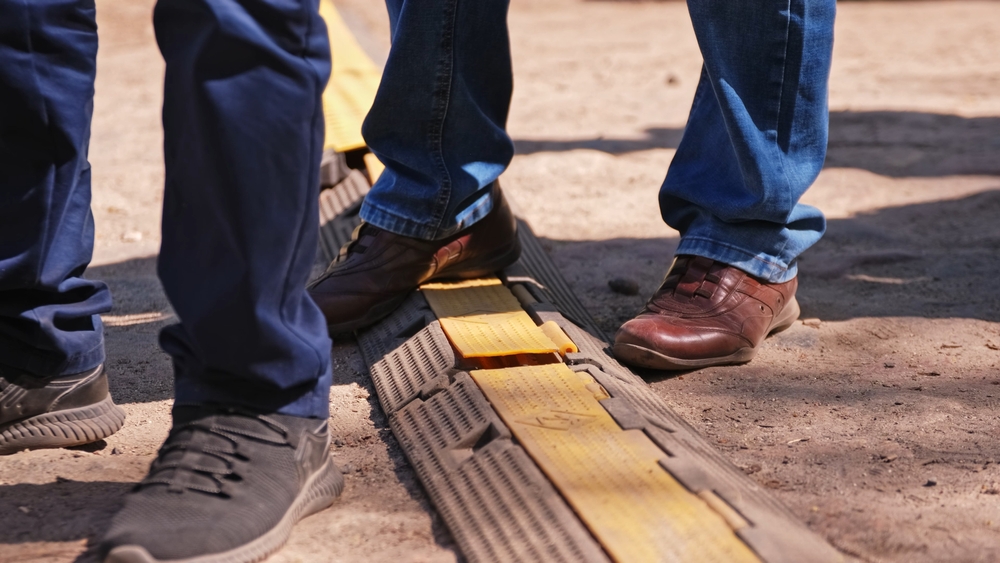
Active construction zones throughout Chicago, including areas near ongoing infrastructure and development projects along the North Side and South Loop, often expose pedestrians and workers to unsecured surfaces, debris, and uneven ground.
Both workers and members of the public can suffer serious head injuries in these environments.
What Is TBI Premises Liability in Illinois?
TBI premises liability in Illinois is the legal framework that holds property owners responsible when someone suffers a traumatic brain injury due to unsafe conditions on their property.
Winning a premises liability case requires proving several specific legal elements.
What Must Be Proven in a Premises Liability Case
To recover compensation after a slip and fall TBI in Illinois, an injured person generally needs an attorney to show four things:
- The property owner owed a duty of care to the person who was hurt, which applies to customers, tenants, guests, and others lawfully on the property.
- The property owner knew or should have known about the dangerous condition that caused the fall.
- The property owner failed to fix the condition or warn people about it.
- That failure directly caused the brain injury and the resulting losses.
Illinois follows a modified comparative fault rule. This means that if you are found partly responsible for your fall, your compensation may be reduced by your percentage of fault. However, as long as you are less than 51 percent at fault, you can still recover damages.
What Damages Can a Brain Injury Victim Recover?
A successful slip and fall brain injury claim in Chicago may include compensation for medical expenses, including emergency care, imaging, surgery, rehabilitation, and ongoing therapy.
Lost wages and reduced earning capacity also factor in when injuries prevent someone from returning to work.
Beyond economic losses, injured people may recover for pain, suffering, emotional distress, and the ways the injury has changed their daily life and relationships.
Why Does Documentation Matter So Much?
The evidence gathered in the hours and days after a fall can determine whether a claim succeeds or fails. Property owners and their insurers often move quickly to dispute liability, and without solid documentation, injured people may find themselves without the evidence they need.
Steps That May Strengthen Your Claim
Several actions taken soon after a fall may help support a brain injury claim:
- Reporting the accident to the property owner or manager and requesting a written incident report creates an official record of the event.
- Photographs of the hazard, the surrounding area, and any visible injuries document conditions that may be repaired or changed before an investigation can begin.
- Gathering contact information from witnesses gives your attorney access to people who can describe what they saw.
- Keeping all medical records, bills, and discharge instructions creates a documented connection between the fall and the diagnosis.
- Writing down a personal account of how the injury has affected your sleep, concentration, work, and daily activities can support claims for non-economic damages.
Bringing this information to a free consultation with a Chicago brain injury attorney allows for a more thorough case evaluation from the start.
Why Do You Need a Lawyer after a Slip and Fall Brain Injury?
A focused and experienced attorney:
- Handles the investigation
- Gathers evidence
- Consults with medical professionals
- Builds the legal argument that connects the property owner’s negligence to your injury
Brain injury cases involve medical complexity and significant financial stakes. A knowledgeable attorney understands how to present that evidence effectively.

Your attorney also handles all communication with the insurance company, which protects you from making statements that could be used against you. When a fair settlement cannot be reached, a skilled litigator takes the case to court.
The Cost of Going Without Legal Help
People who handle brain injury claims without an attorney often settle too early, before the full extent of long-term damage is known. A traumatic brain injury may require care for years, and a settlement that seems adequate at first may fall far short of what is actually needed.
Insurance companies representing property owners rarely offer fair settlements without pressure. Their goal is to minimize what they pay out. Without legal representation, injured people often accept far less than their case is worth.
An attorney who handles brain injury cases regularly knows how to account for future costs and fight for the full value of your claim.
What Should You Do Right after a Slip and Fall in Chicago?
Acting quickly after a fall protects both your health and your legal rights. Medical and legal timelines both begin from the date of the accident.
Seek Medical Care Immediately
Some brain injuries do not produce obvious symptoms right away. Headaches, confusion, and personality changes can appear hours or days after a fall. Evaluation at a facility like Northwestern Memorial Hospital or Rush University Medical Center creates a medical record that documents the injury and its connection to the fall.
Preserve the Scene
If you are physically able, take photos before leaving the scene. If you cannot, ask someone with you to do it. The hazard that caused your fall may be cleaned up, repaired, or removed quickly after an incident.
Report the Accident
Notify the property owner, manager, or supervisor. Request a copy of any incident report that is generated. If the fall happened in a public area in a neighborhood like Hyde Park or Bridgeport, the City of Chicago may also need to be notified depending on the ownership of the property.
Contact a Chicago Brain Injury Attorney
Illinois law generally allows two years from the date of a slip and fall to file a personal injury lawsuit. Waiting too long can result in losing the right to pursue compensation entirely. Contacting an attorney early in the process helps preserve evidence and ensures deadlines are met.
Frequently Asked Questions About Brain Injuries from Slip and Fall Accidents
How long do I have to file a slip and fall brain injury claim in Illinois?
In most cases, Illinois law gives you two years from the date of the accident to file a personal injury lawsuit. Claims involving government-owned property may have shorter deadlines and additional notice requirements, so consulting an attorney as soon as possible is wise.
What if I wasn’t wearing anything on my head when I fell, does that affect my case?
No, the absence of a helmet or head protection does not typically affect a slip and fall premises liability claim. Property owners are responsible for maintaining safe conditions regardless of what visitors are wearing.
Can I still recover compensation if I was partly at fault for the fall?
Under Illinois comparative fault rules, you may still recover compensation as long as you are found less than 51 percent at fault. Your total recovery would be reduced by your percentage of responsibility.
What if my brain injury symptoms didn’t appear until days after the fall?
Delayed symptoms are common with TBIs, particularly concussions and intracranial injuries. Seeking medical care as soon as symptoms develop, and telling your doctor about the fall, helps establish the medical connection your claim depends on.
How much does it cost to hire a Chicago brain injury attorney?
Most personal injury attorneys, including those who handle slip and fall brain injury cases, work on a contingency fee basis. This means you pay no upfront fees, and the attorney collects a percentage of the settlement or verdict only if the case is successful.
Contact Walner Law for Help

A slip and fall brain injury can reshape every part of your life, from your ability to work to your relationships to your sense of who you are. At Walner Law, we understand the weight of what you are going through, and we are here to fight for the compensation you deserve.
Our team is skilled, focused, and deeply experienced in brain injury cases throughout Chicago. We handle the legal heavy lifting so you can concentrate on recovery.
Call us today at 312-410-8496 to schedule your free consultation. There is no cost to speak with us, and no obligation to move forward. Let us help you take the next step toward accountability and healing.