Skip to content


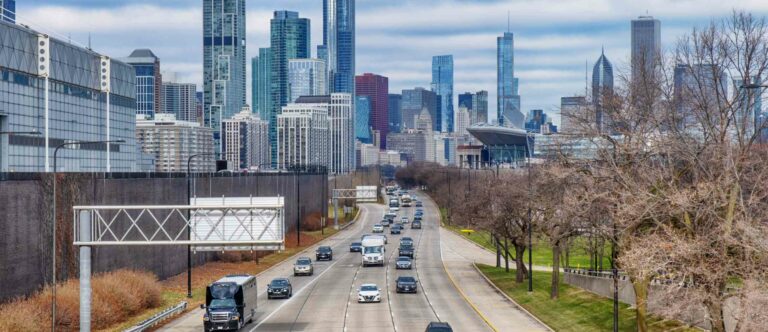
A car accident can happen without warning, whether on a busy roadway like Wacker Drive or a residential street in Hyde Park. Even when you follow traffic laws and drive responsibly, another motorist’s decision to drive while intoxicated can cause a serious crash. These accidents often result in injuries, medical bills, lost wages, and financial strain.
Walner Law represents Chicago residents injured by drunk drivers. While the intoxicated driver may be responsible, Illinois law also allows injured victims to pursue compensation from other parties that contributed to the risk.
A Chicago drunk driving accident attorney at Walner Law investigates where the driver consumed alcohol and whether a bar, restaurant, or liquor store violated Illinois dram shop laws. If you were injured by a drunk driver in Chicago, contact Walner Law to schedule a consultation and learn how we can pursue compensation on your behalf.
Key Takeaways About Dram Shop Liability
- Illinois statutes permit injury victims to file lawsuits against establishments that served the at-fault driver.
- The Dram Shop Act enforces strict liability so you do not need to prove the bartender knew the patron was intoxicated.
- You must file a Dram Shop claim within one year of the accident which is a shorter deadline than other injury cases.
- State laws place specific caps on the amount of money a victim can recover from a commercial establishment.
- The law generally prevents you from suing a bar if you actively participated in the driver’s intoxication.
What Laws Hold Bars Liable for Drunk Driving Accidents?
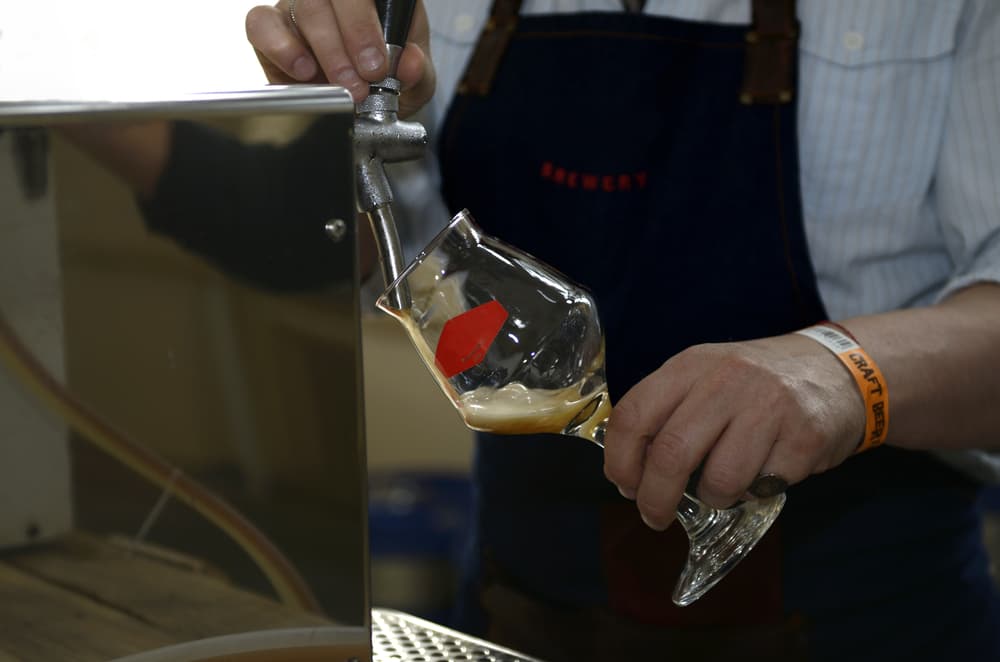
The Illinois Liquor Control Act of 1934, commonly referred to as the Dram Shop Act, allows injured parties to pursue claims against alcohol vendors that served an intoxicated driver. Illinois applies strict liability under this statute, meaning a bar may be held responsible for selling alcohol that caused the intoxication without the need to prove the server knew the customer was impaired at the time of service.
To establish liability, the evidence must show that the vendor sold or provided alcohol directly to the driver, that the alcohol served at that specific location caused the driver’s impairment, that the impairment led to the crash, and that the crash resulted in verifiable personal injury or property damage.
Proving these elements requires connecting the driver’s alcohol consumption to the collision through records, witness testimony, and forensic analysis, which then triggers access to the bar’s insurance coverage.
Does Illinois Limit Financial Recovery in Dram Shop Cases?
Claims against bars operate differently than claims against individual drivers. While personal injury lawsuits against motorists generally have no statutory cap, the Dram Shop Act limits the amount that can be recovered from alcohol vendors. These limits are adjusted annually by the Illinois Comptroller based on the Consumer Price Index.
The caps apply separately to categories of loss, including personal injury, property damage, loss of financial support, and loss of society in wrongful death cases. Understanding how these limits apply allows for proper valuation of the claim and informs a broader strategy that also pursues the intoxicated driver for damages exceeding the statutory caps.
What Evidence Does a Drunk Driving Accident Attorney Gather?
Establishing where a driver consumed alcohol often requires immediate action, particularly in busy areas where staff may not remember a specific patron days or weeks later. Objective evidence is needed to place the driver at the establishment and confirm alcohol service.
This evidence may include credit card and banking records, surveillance footage, social media activity, point-of-sale receipts, and witness statements from staff or other patrons. Preservation notices are sent promptly to prevent this information from being lost or overwritten, allowing the evidence to form a clear and reliable foundation for the claim.
Can You Sue if You Bought Drinks for the Driver?
Illinois law recognizes a defense called complicity, which can bar a claim against a bar if the injured person helped cause the driver’s intoxication. Buying drinks for the driver, encouraging them to drink more, or accepting a ride while knowing the driver was intoxicated may support this defense. Courts may view these actions as assuming the risk of impairment.
Whether complicity applies depends on the specific facts and the extent of your involvement. Active conduct, such as purchasing alcohol for the driver, weighs heavily in the analysis, while simply being present at the same bar may not. We review your actions leading up to the crash to assess whether this defense may be raised and prepare accordingly through a detailed discussion of the events.
Why Is the Statute of Limitations Different for Bars?
Time presents a significant challenge in Dram Shop cases, particularly when compared to other personal injury claims in Illinois, which generally allow two years from the date of the accident to file suit. Under the Dram Shop Act, however, claims against alcohol vendors must be brought within one year of the incident, and missing that deadline permanently bars recovery from the establishment.
Because of this limited filing period, early legal involvement is often necessary. Identifying where a driver consumed alcohol can require subpoenas, record reviews, and witness depositions, all of which take time to complete. Delaying legal action until the final months may leave insufficient time to determine which establishment is responsible and file the claim before the deadline expires.
Do These Laws Apply to House Parties in Chicago?
The Dram Shop Act generally applies to commercial vendors who sell alcohol for profit. It typically does not apply to a social host who serves free drinks at a private house party.
If a friend serves alcohol to an adult guest who then drives drunk, you usually cannot sue the host. However, the law treats the service of alcohol to minors very differently.
The Drug or Alcohol Impaired Minor Responsibility Act creates liability for adults who supply alcohol to people under 21.
- The adult willfully supplied alcohol to the minor: This requires proof that the host intentionally provided the substance rather than accidental access.
- The host permitted consumption at their residence: Liability often attaches if the adult controlled the location where the drinking occurred.
- The adult knew the minor consumed the substance: The host must have known or reasonably should have known that the minor was drinking.
- The impairment caused the resulting injury: The accident must be a direct result of the impairment caused by the provided alcohol.
We investigate whether the driver was underage and where they obtained the alcohol. Holding a social host accountable requires proving they violated the law regarding minors. This creates an avenue for recovery that does not exist for adult drivers in non-commercial settings.
How Do Rideshare Accidents Complicate Dram Shop Claims?
Uber and Lyft have changed nighttime transportation in Chicago. While ridesharing has reduced drunk driving, crashes still happen. In some cases, a rideshare driver is struck by an intoxicated motorist; in others, the rideshare driver may be impaired. These situations raise complex insurance issues.
Coverage depends on the driver’s app status at the time of the crash. If the driver is offline, personal auto insurance applies. If the app is on but no passenger is present, limited commercial coverage applies. If a passenger is in the vehicle, high-limit commercial policies are triggered.
We also investigate whether another driver was intoxicated and pursue claims against both the driver and the bar that overserved them. By compelling rideshare companies to produce critical data, we identify and pursue every available source of compensation for your recovery.
How Does a Drunk Driving Accident Attorney Prove Intoxication?
Proving the driver was drunk is the core of both the case against the driver and the case against the bar. We do not rely solely on the police report. Police officers sometimes make mistakes or fail to conduct field sobriety tests if the driver is injured. We build an independent body of evidence to verify impairment.
Our team looks for signs that prove the driver lacked the ability to operate a vehicle safely. We review toxicology reports where blood and breath tests provide scientific measurements of Blood Alcohol Content (BAC).
Expert testimony from toxicologists can calculate what the driver’s BAC was at the time of service based on later tests. Physical evidence such as photos of open containers in the vehicle suggests consumption while driving.
Erratic driving patterns caught on dashcam video help establish impairment before the crash. Statements made by the driver to first responders often contain admissions of drinking. We compile this evidence to create an undeniable picture of negligence.
What Types of Damages Do Victims Suffer?
The impact of a drunk driving crash extends far beyond the initial collision. Victims often face a long road to recovery that involves multiple surgeries and physical therapy.
The financial burden can destroy a family’s savings if they do not receive fair compensation. A drunk driving accident attorney calculates both current and future losses.
We categorize your damages to ensure we demand the appropriate amount from the insurance carriers.
- Medical expenses for current and future care: This includes emergency room bills, hospital stays, medication, and rehabilitation costs.
- Lost wages and loss of earning capacity: You are entitled to money for the time you missed work due to your injuries.
- Physical pain and emotional suffering: This non-economic damage covers the physical pain and emotional distress you endure.
- Permanent disfigurement or scarring: Visible scarring or permanent physical changes warrant additional compensation.
- Long-term disability or impairment: If you cannot return to your previous job or lifestyle, you receive payment for that loss.
Documenting these losses requires gathering medical records and employment history. We work with financial experts to project your future needs if your injuries are permanent. This detailed accounting prevents you from accepting a settlement that runs out before your care is finished.
How Can Walner Law Help After a DUI Crash?
Our firm is based at 33 N LaSalle Street in the Chicago Loop, giving us firsthand familiarity with how medical bills from facilities such as Northwestern Memorial and Rush University Medical Center can escalate quickly. When drivers carry only minimum insurance coverage, those policies often fall short of covering serious injuries or long-term care, which is why a broader investigation is often required to determine whether a business violated the law by serving the driver.
We handle personal injury cases on a contingency fee basis, meaning no attorney fees are owed unless we obtain a recovery. Our attorneys are familiar with the defenses insurers raise in Dram Shop claims and act promptly to preserve video footage, receipts, and other records before they are deleted. A thorough investigation that connects alcohol service to the resulting injuries is key to identifying all available insurance coverage.
FAQs for Drunk Driving Accident Attorneys
The Dram Shop Act specifically addresses the sale of alcoholic liquor. It does not typically apply to the sale of drugs because bars generally do not legally sell controlled substances. However, if the driver was impaired by both alcohol and drugs, you may still have a valid claim based on the alcohol contribution.
Hit-and-run cases complicate the investigation but do not end it. We work with police to identify the vehicle and driver. Once identified, we retrace their steps to find out where they were drinking. Uninsured Motorist coverage also plays a necessary role in these situations.
Yes, you can pursue claims against both parties simultaneously or separately. However, the law prevents you from recovering twice for the same injury. Any amount you recover from one party may affect the remaining damages you can seek from the other. Strategic settlement negotiation helps maximize your total recovery.
A criminal conviction for DUI serves as strong evidence of negligence in your civil lawsuit. However, the Dram Shop claim against the bar is separate. You must still prove the bar sold the alcohol that caused the intoxication regardless of the driver’s criminal outcome.
Liability under the Dram Shop Act requires that the alcohol sold by the establishment caused the intoxication. If the driver was not intoxicated at the time of the accident, or if the alcohol from that bar did not contribute to the intoxication, the claim may fail. Proving the timeline of consumption is necessary.
Take Action With a Chicago Drunk Driving Accident Attorney

The decision to drive drunk destroys lives and shatters families. You have the right to hold every negligent party accountable including the business that profited from the driver’s intoxication.
Walner Law represents individuals injured in drunk driving accidents and evaluates all potential sources of liability and insurance coverage. Contact Walner Law to schedule a free consultation and learn how we may be able to assist with your claim.