Skip to content



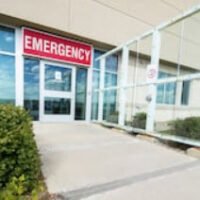 In an emergency, every second is critical. You may rush your loved one to the emergency room and hope for the best.
Emergency situations are different from other medical situations. In an emergency, you don’t have time to go to a different doctor and get a second opinion. You are at the mercy of the doctor on staff at the time. He or she may not have a lot of experience dealing with your certain medical issue. This can cause your medical condition to not get treated properly. You may not get the treatment you need. You could even die.
Emergency room medical malpractice is common, particularly when it comes to diagnosis errors. In a study of 11,529 claims between 1985 and 2007, diagnosis errors accounted for 37% of claims. In 17% of cases, a procedure was performed improperly. The most common medical conditions associated with emergency room medical malpractice were acute myocardial infarctions, fractures and appendicitis.
Types of Negligence
Negligence in an emergency room can happen in many ways. Failure to properly assess, treat and monitor a patient are common. Misdiagnosis, lab errors, medication errors and surgical errors can also occur. Inadequate staffing of doctors, lack of training, inadequate facilities and unethical issues can lead to medical malpractice. Issues with sanitation, such as lack of cleanliness, infections and contaminated blood transfusions, are also common.
Can You Sue?
Just like any medical malpractice case, you can sue the liable party for causing your damages. However, be warned that these cases are hard to win. Most of these cases rule in favor of the doctor. If you do receive payment, expect to settle outside of court. Medical malpractice cases can be complex, so seek help from a knowledgeable personal injury lawyer.
To prove a medical malpractice case, the following elements need to be in place:
- A doctor-patient relationship. This is typically the easiest element to prove. If a doctor came into your hospital room and started examining you, diagnosing you and treating you, then you have a doctor-patient relationship.
- This is often the hardest element to prove. You must be able to prove that the doctor deviated from the standard of care. However, the standard of care is different in an emergency room setting, since some situations are life-threatening and require quick thinking.
- Even if a doctor is considered negligent, the patient must have been harmed in some way. This includes a worsened condition, lost wages, corrective treatment, pain and suffering, and even death.
Harvey L. Walner & Associates, LTD has been winning cases like these for over 50 years!
In an emergency, you rely on the care of emergency room doctors. However, they are not immune from making errors. Time is of the essence and the lack of time a doctor has to make an informed decision can make your injury worse or even lead to death.
The Chicago medical malpractice lawyers at Harvey L. Walner & Associates, LTD can determine if the emergency room staff was negligent in your medical care. Call our office at (312) 410-8496 or fill out the online request form to schedule a free consultation.