Skip to content


Being injured in an Uber crash raises questions that regular car accidents don’t. The Uber driver who caused your injuries works as an independent contractor, not an employee—a distinction that completely changes the claims process.
Can you sue Uber for a car accident, or does responsibility stop with the driver? When Chicago rideshare accident injuries happen, insurance coverage depends entirely on the driver’s status when the collision occurred. Was the app on? Had they accepted a ride? Were they on their way to pick up passengers or actively transporting them?
These details determine whether $50,000 or $1 million in coverage applies to your claim. Passengers, other drivers, pedestrians, and bicyclists all face these same complications after Uber crashes. A Chicago rideshare accident lawyer can sort through the confusion, identify every source of liability, and fight for your full and fair compensation.
Takeaways: What Chicago Rideshare Accident Victims Need to Know
- When the crash happened determines your coverage. Uber provides $1 million during active trips, but only limited coverage when drivers wait for requests.
- You can sue Uber directly in certain situations. Beyond insurance claims, corporate liability applies when inadequate screening, training, or policies contribute to accidents.
- Multiple insurance policies may cover your crash. The driver’s personal insurance, Uber’s contingent policy, and the full commercial policy can all apply depending on trip status.
- Obtaining legal help protects your claim’s value. Insurance companies use aggressive tactics to minimize payouts. Attorneys counter these strategies and preserve your right to full compensation.
- Chicago’s busy corridors see frequent rideshare crashes. The I-90/I-94 interchange, Milwaukee-North-Damen intersection, and congested areas throughout Cook County create elevated accident risk.
Rideshare Accidents: A Growing Problem Across the U.S.
Ride-hailing services have increased traffic dangers across the country. Research from the University of Chicago Booth School of Business found that ridesharing is associated with a 3 percent increase in traffic fatalities—approximately 987 additional deaths annually nationwide. More cars on the road means more accidents involving drivers, passengers, pedestrians, and bicyclists.
Understanding Uber’s Tiered Insurance
The moment of your crash determines which insurance pays and how much coverage is available to you. A few seconds can mean the difference between $25,000 and $1 million in available compensation.
Phase 1: App offline
When the Uber app is off, the driver’s personal auto insurance applies. Uber provides no coverage. Most personal policies exclude rideshare activity, creating coverage gaps. If you’re injured by an Uber driver who isn’t logged into the app, their personal insurance becomes your primary option.
Phase 2: Waiting for ride requests
After logging into the app but before accepting a trip, Uber provides contingent coverage:
- $50,000 per person for injuries
- $100,000 per accident total
- $25,000 for property damage
If you’re hit by an Uber driver cruising North Michigan Avenue waiting for requests, this limited policy applies.
Phase 3: Active trip
From accepting your ride through drop-off, Uber’s full $1 million commercial policy activates, covering:
- Passengers inside the vehicle
- Other drivers and their passengers
- Pedestrians and bicyclists
- Property damage
- Uninsured/underinsured motorist claims
The phase is when Uber’s accident insurance provides maximum coverage for injured passengers and third parties.
Who May Be Liable for Your Uber Accident Injuries?
Many people assume only the driver bears responsibility for causing an accident. That assumption can cost accident victims thousands of dollars in compensation that they never pursue.
Depending on the circumstances of your accident, the parties that you may be able to hold liable include:
The Uber driver
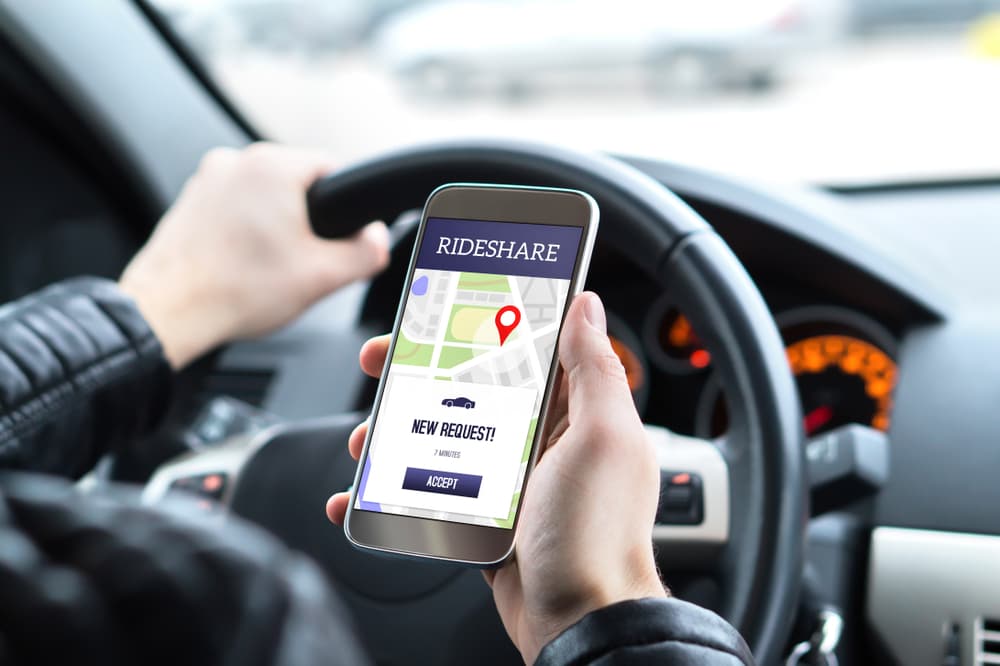
A rideshare driver’s negligence can cause accidents in multiple ways, including:
- Distracted driving while checking the app
- Speeding through downtown to maximize trips
- Failing to yield at intersections near Navy Pier
- Following too closely on the Dan Ryan
- Running red lights in busy corridors
Illinois comparative fault rules apply even when Uber’s insurance covers your damages. Proving the Uber driver’s fault strengthens your compensation claim.
Uber itself
You may pursue Uber directly when:
- Background checks failed to identify dangerous driving histories
- Insufficient driver training on safe app usage
- Company policies encourage unsafe practices like excessive consecutive trips
- Evidence shows substantial control over driver activities
Determining Uber’s corporate liability for an accident requires examining the company’s policies and practices. An attorney can investigate whether Uber’s negligence contributed to your accident beyond standard insurance claims.
A third-party driver
When another motorist causes the accident, you may be able to file claims against their insurance. Uber’s uninsured/underinsured coverage fills gaps when other drivers lack adequate insurance. You can recover compensation even when the Uber driver wasn’t at fault for the collision.
The City of Chicago and surrounding municipalities
The Illinois Department of Transportation or the City of Chicago might be liable when potholes, inadequate signage, or poor winter maintenance contribute to traffic accidents.
Compensation Available After Uber Accidents in Chicago
Insurance companies want you to focus on immediate medical bills. They don’t volunteer information about the full range of damages you can claim or how much those claims are actually worth. When you are injured in an Uber accident, you may be eligible for a broad range of damages, including:
Economic damages
Economic damages cover measurable financial losses from the accident:
- All past and future accident-related medical expenses
- Lost wages or income from missed work
- Reduced earning capacity from disabilities
- Lost promotions or career advancement
- Vehicle repair or replacement costs
- Damaged personal property
Non-economic damages
Non-economic damages compensate for how injuries diminish your quality of life in subjective ways that don’t come with a clear price tag:
- Pain and suffering from injuries
- Emotional distress and mental anguish
- Loss of enjoyment of life
- Scarring and disfigurement
- Loss of companionship
These damages often represent the most significant portion of serious injury settlements.
Wrongful death damages
When rideshare accidents cause fatal injuries, surviving family members can recover:
- Funeral and burial expenses
- Medical bills before death
- Loss of financial support and income
- Loss of companionship and guidance
- Mental anguish and grief
- Loss of household services
In some cases, Illinois wrongful death laws allow families to recover compensation for the deceased’s loved one’s pain and suffering and other expenses before death through a separate survival action.
Calculating full compensation requires documenting both immediate costs and long-term impacts. Personal injury attorneys often work with medical experts, vocational specialists, and economists to prove the complete value of your claim.
Steps to Take After an Uber Crash in Chicago
Once you’ve sought medical treatment for your injuries, there are some small but powerful steps you can take to protect your legal rights and strengthen your claim:
- Report the accident through the Uber app if you’re able. Open your trip history, select the ride when the crash occurred, and choose “I was involved in an accident.” Complete the accident report to create an official company record. If your injuries prevent immediate reporting, do this as soon as you’re physically able.
- Hire a personal injury lawyer immediately. Attorneys protect you from insurance company tactics to devalue your claim, gather crucial evidence before it disappears, and handle all legal matters while you focus on recovery. The sooner you secure legal representation, the better protected you may be.
- Keep all medical appointments and follow treatment plans. Missing appointments or stopping treatment early allows insurance adjusters to claim your injuries weren’t serious. Consistent medical care documents the full extent of your injuries and proves ongoing medical necessity.
- Document your daily experience. Write or record video journals describing your pain levels, limitations, and how injuries affect daily activities. Note when you can’t work, miss family events, or struggle with tasks you used to handle easily. This personal documentation becomes powerful evidence of pain and suffering damages.
- Preserve all evidence. Save damaged clothing, broken personal items, and anything else from the crash. Don’t repair your vehicle before an insurance adjuster inspects it. Keep every receipt related to the accident, including medical copays, prescription costs, transportation expenses, and any other out-of-pocket expenses.
- Avoid social media posts about the accident. Insurance companies monitor social media looking for posts they can use against you. A photo of you smiling at a family gathering becomes “proof” you’re not really injured. Let your attorney advise you on social media use during your claim.
- Don’t accept initial settlement offers. Insurance companies rush to settle before you know the full extent of your injuries. Initial offers rarely account for future medical needs, ongoing pain, or long-term disability. Your rideshare accident attorney can evaluate whether offers represent fair compensation.
How Lawyers Maximize Rideshare Accident Settlements
Uber’s insurance carriers handle thousands of claims annually. They know exactly how to minimize payouts to unrepresented victims. An experienced attorney levels that playing field and fights for maximum compensation in your rideshare accident case by:
Investigating Uber driver negligence

Attorneys examine all liability sources:
- Subpoena the driver’s trip history and driving record
- Identify other liable motorists and their coverage
- Review city and state maintenance records
- Engage experts for vehicle defect examination
- Analyze Uber’s business practices
Countering insurance adjuster tactics
Insurance adjusters work aggressively to minimize and deny payouts. Your attorney can fight back with accident reconstruction, medical experts linking injuries to crash forces, documentation of the necessity of your treatments, and economic experts calculating lifetime losses.
Negotiating with Uber’s insurance company
Rideshare claims involve complex coverage issues. Experienced attorneys understand corporate defense strategies and the time-sensitive demands of settlement to maximize leverage. Insurance companies settle for higher amounts when facing lawyers with strong trial records.
Building a Strong Chicago Uber Accident Case
Winning rideshare accident claims requires more than showing the driver caused the crash. You need proof that withstands Uber’s aggressive defense tactics and the scrutiny of the insurance company. Building a strong case protects your right to full compensation.
Insurance Company Defense Tactics in Rideshare Claims
Insurance adjusters follow playbooks designed to reduce or deny your claim. Attorneys counter these tactics to protect your right to full compensation.
Illinois comparative fault arguments
Insurance companies routinely claim that crash victims contributed to the accident or worsened their injuries by not wearing a seatbelt, distracting the driver, or walking outside of a crosswalk.
Illinois’ modified comparative negligence law allows you to recover compensation as long as you are not more than 50% at fault, but your total recovery will be reduced by your share of fault. An experienced attorney can fight attempts to blame you unfairly and protect the value of your claim.
Pre-existing injury claims
Adjusters often review medical histories searching for prior injuries or conditions. They may argue that your injuries existed before the accident. Your lawyer can work with medical experts if necessary to distinguish between dormant conditions aggravated by crashes and new injuries.
Challenging your medical treatment
Insurance companies challenge treatment as excessive or unnecessary. They question the frequency of physical therapy, specialist referrals, or diagnostic testing. Medical experts testify about standard treatment protocols for crash injuries, which help defeat these challenges.
Independent medical examinations
Uber’s insurance provider may request that you attend an examination by their chosen physician. These doctors typically minimize injury severity. Your attorney prepares you for these examinations and counters biased reports with testimony from your treating physicians.
The Uber Accident Claim Process in Illinois
Rideshare accident claims progress through specific phases, from initial filing to potential trial. Your rideshare accident lawyer guides your case through each stage while handling any legal challenges that threaten your case along the way.
Filing your insurance claim
Your attorney submits a claim to Uber’s insurance carrier documenting the accident, injuries, and damages. The claim includes medical records, police reports, witness statements, and evidence proving driver fault.
The insurance investigation process
The carrier assigns an adjuster to investigate your claim. They review evidence, interview the parties, and assess liability. Your attorney monitors this investigation to ensure it proceeds fairly.
Negotiating your settlement
Once you’ve completed treatment, your attorney prepares a demand package including all evidence of liability and damages. Insurance companies typically respond with counteroffers below your claim’s value. Experienced attorneys negotiate back and forth using evidence and legal precedent.
Filing a lawsuit in Cook County
When negotiations fail, your attorney files a formal complaint in Cook County Circuit Court. This doesn’t mean your case will go to trial, as most lawsuits still settle before reaching a courtroom. However, filing demonstrates your lawyer’s willingness to pursue full compensation through litigation.
Mediation in rideshare cases
Courts often require mediation before trial. A neutral mediator helps both sides negotiate toward a settlement. Many cases settle at mediation when both sides reach an understanding of each side’s strengths and weaknesses.
Taking your case to trial
If mediation doesn’t resolve your case, it proceeds to trial before a judge or jury. Your rideshare accident attorney presents evidence, questions witnesses, and argues why you deserve full compensation.
FAQs About Uber Accident Lawsuits
Yes. You can file claims against the at-fault driver’s insurance while also pursuing Uber’s uninsured/underinsured motorist coverage. The $1 million policy protects passengers even when other drivers cause crashes during active trips.
Uber’s uninsured motorist coverage applies when other drivers cause accidents during your trip. You can seek compensation through this coverage even though the Uber driver did nothing wrong.
Illinois’ statute of limitations (735 ILCS 5/13-202) provides two years after the date of the accident to file most personal injury lawsuits. However, insurance claims have shorter reporting requirements, and exceptions in the law exist that may affect your case, so don’t delay consulting an attorney.
Your relationship to the Uber vehicle affects which insurance coverage applies, but doesn’t eliminate compensation rights. Passengers access Uber’s full policy directly. Other drivers file third-party claims against the same coverage.
Uber’s insurance includes medical payments coverage that provides benefits regardless of fault in most cases. However, the company doesn’t volunteer this information. An attorney can help you access MedPay benefits while pursuing full compensation.
Our Uber Accident Lawyers Get Results
At Walner Law, our team of experienced Uber and Lyft accident lawyers offers free consultations to discuss the details of your accident. We understand the confusion and questions that accident survivors have after a rideshare crash, and we are here to help you understand your rights, explore your options, and find the best path forward.
If you or a loved one suffered injuries in an Uber accident in Chicago, call Walner Law at or reach out to us online for a free consultation. Your full and fair recovery, along with your complete satisfaction, are our goals.